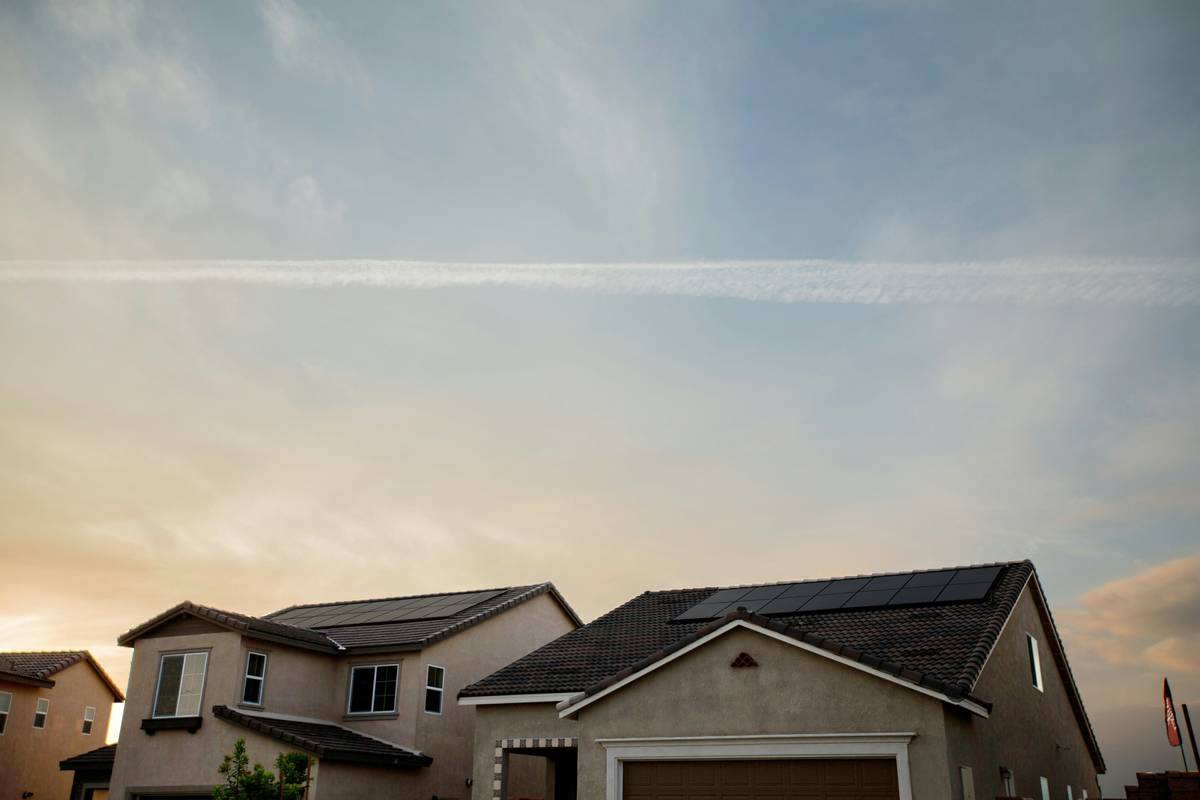
Did you know that nearly 40% of solar panel owners discover too late that their standard homeowner’s policy doesn’t fully cover damage from hail, wind, or even installation errors? I learned this the hard way after a surprise hailstorm cracked three panels on my roof—only to find out my insurer classified them as “external attachments” with limited protection. If you’ve invested in renewable energy for your home, understanding your renewable resource panel insurance option are isn’t just smart—it’s essential to safeguarding thousands of dollars in equipment.
In this guide, we’ll cut through the fine print and show you exactly how to secure comprehensive coverage without overpaying. You’ll get actionable steps, insider tips, real-world examples, and clarity on what most homeowners miss. Let’s make sure your green investment stays protected—and profitable—for decades.
Table of Contents
- Why Solar Panel Insurance Matters in Home Improvement
- Step-by-Step Guide to Choosing Your Coverage
- Best Practices for Maximum Protection
- Real-World Case Studies: Lessons Learned
- Frequently Asked Questions
Key Takeaways
- Standard homeowners policies often exclude or limit solar panel coverage.
- Endorsements or riders are usually required for full protection against weather, theft, and mechanical failure.
- The phrase “renewable resource panel insurance option are” reflects a common search intent—but what matters is tailored coverage, not keyword stuffing.
- Federal incentives like the Investment Tax Credit don’t include insurance; protection is your responsibility.
- Always confirm whether your installer offers warranty-backed insurance coordination.
Why Solar Panel Insurance Matters in Home Improvement
As solar adoption surges—U.S. installations grew by 37% in 2023 alone, according to the Solar Energy Industries Association (SEIA)—so do risks that typical home policies weren’t designed to handle. Panels mounted on roofs face unique threats: micro-cracks from thermal cycling, animal nesting underneath, or faulty inverters causing fire hazards. Yet many insurers still treat them as “detachable accessories,” not integral home systems.
That gap is where the renewable resource panel insurance option are becomes critical. Without proper endorsement, you could be liable for $10,000+ in replacement costs after a single storm. Worse, some lenders require proof of specific solar coverage before approving home equity loans for energy upgrades.

Step-by-Step Guide to Choosing Your Coverage
1. Audit Your Current Policy
Call your insurer and ask: “Does my policy cover solar panels as ‘other structures,’ ‘dwelling,’ or not at all?” Most classify them under “other structures,” which caps coverage at 10% of your dwelling limit—often insufficient.
2. Request a Solar Endorsement
Many major carriers (State Farm, Allstate, USAA) offer add-ons that extend dwelling coverage to panels, including wiring and mounts. This ensures repairs or replacements match original specs.
3. Consider Specialized Providers
Companies like Progressive partner with solar installers to bundle warranties and insurance. These policies often cover performance degradation—a rare but real issue if panels lose efficiency due to manufacturing defects.
4. Document Everything
Take date-stamped photos of your system post-installation. Keep receipts, warranty booklets, and interconnection agreements. This speeds up claims and proves ownership during disputes.
Best Practices for Maximum Protection
- Never assume your installer’s warranty covers accidents. Most only address product defects—not storm damage or vandalism.
- Avoid the “terrible tip” of skipping insurance to save $20/month. One cracked panel can cost more than five years of premiums.
- Review annually. As panel technology evolves, so should your coverage limits.
- Mention solar upfront when switching insurers. Some companies penalize undisclosed upgrades with denied claims.
And please—stop listening to contractors who say, “Your roof insurance covers it.” That’s like saying your car insurance covers a bike rack. It’s technically attached… but good luck getting paid.
Real-World Case Studies: Lessons Learned
In Colorado, homeowner Maria R. filed a claim after a 2022 hailstorm damaged eight panels. Her standard policy offered only $3,200—far below the $11,500 replacement cost. Because she’d added a solar endorsement six months prior (cost: $68/year), her insurer covered the full amount minus deductible. Her lesson? “Renewable resource panel insurance option are worth every penny when disaster strikes.”
Conversely, a Texas homeowner skipped coverage to “keep things simple.” When high winds tore two panels loose—damaging his neighbor’s shed—he faced $8,000 in liability costs. His takeaway? Simplicity isn’t cheap when you’re underinsured.
Frequently Asked Questions
Does homeowners insurance automatically cover solar panels?
No. Most policies treat them as “other structures” with low coverage limits. You typically need an endorsement to include them under dwelling protection.
Are leased solar panels insured by the leasing company?
Usually yes—but verify. Leasing firms like Sunrun often include insurance, but gaps may exist for third-party damage or natural disasters.
What does “renewable resource panel insurance option are” actually mean?
It’s a search phrase reflecting consumer confusion. What matters isn’t the wording—it’s whether your policy explicitly names solar equipment as covered property.
Can I get insurance after installing panels?
Yes, but disclose the installation honestly. Undisclosed modifications can void your entire policy.
Do government grants cover insurance?
No. Programs like the federal solar tax credit reduce installation costs but don’t include ongoing protection. For details, see our About Us page.
If your solar setup lacks proper coverage, you’re playing financial Russian roulette. Don’t wait for the next storm—or squirrel invasion—to expose your risk. Contact us today for a free consultation on aligning your home improvement investments with bulletproof protection. And remember: clean energy shouldn’t come with dirty coverage gaps. Before sharing personal data, review our Privacy Policy.