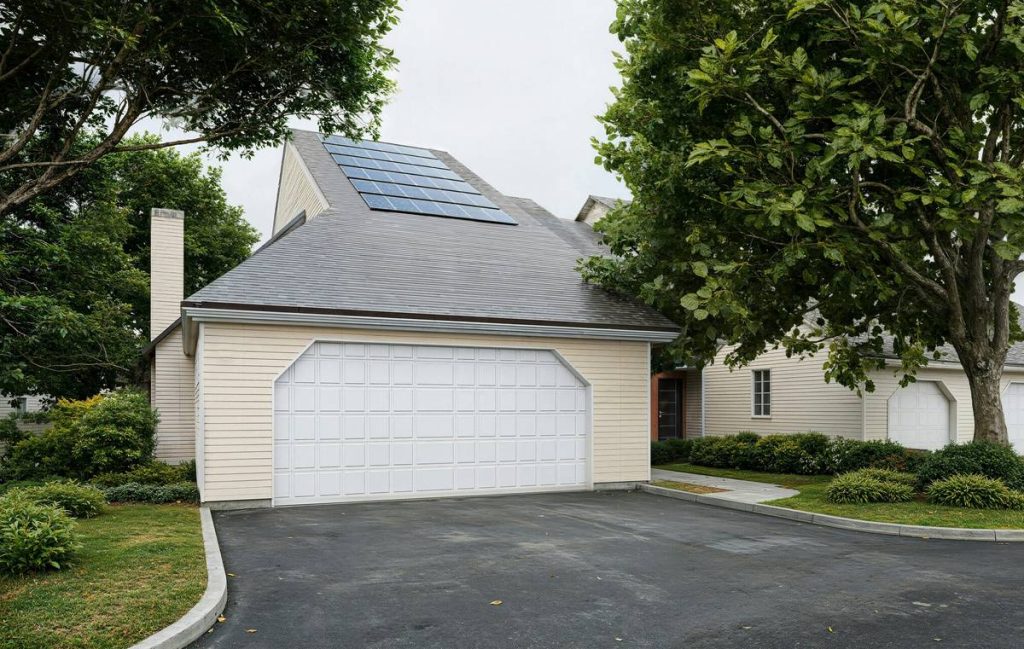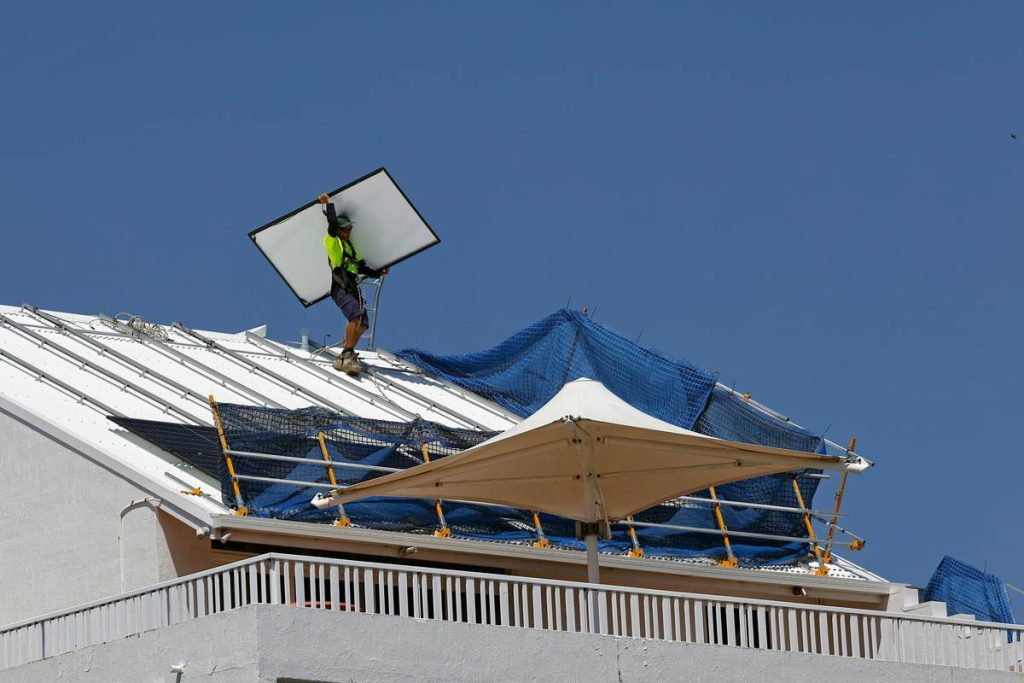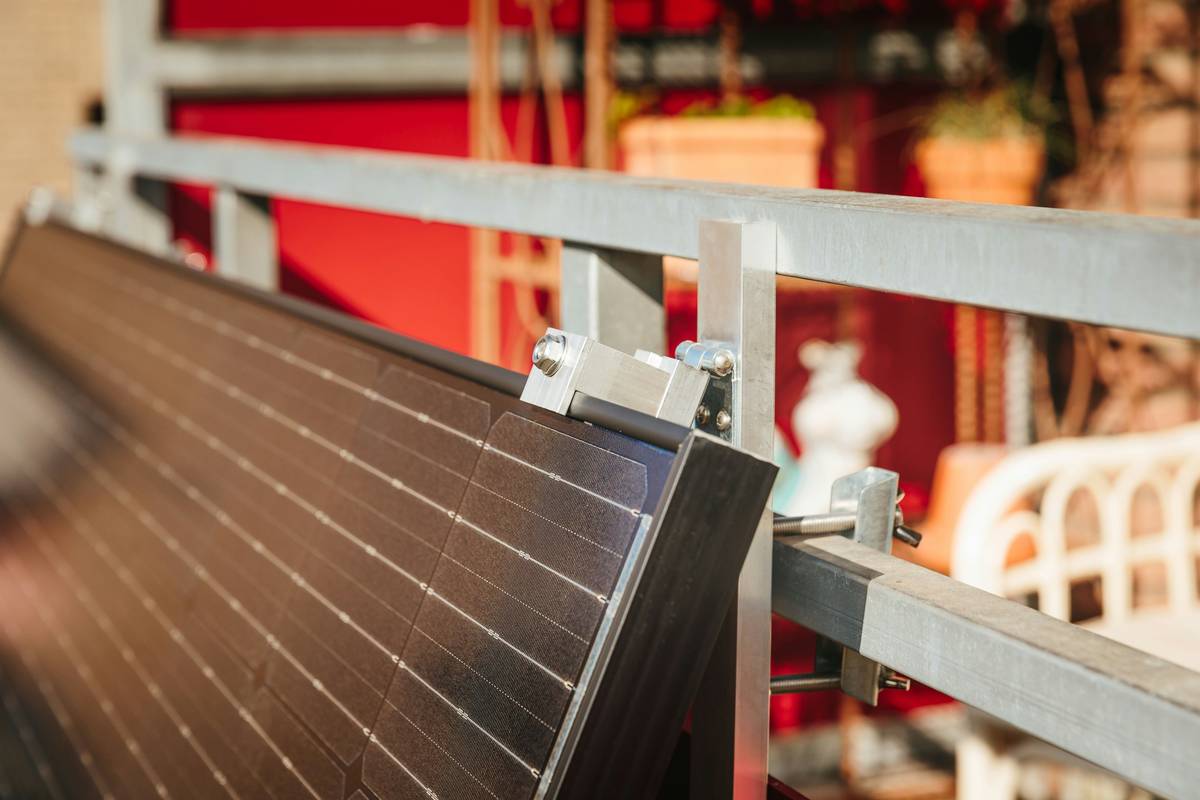
Did you know that over 42% of solar panel owners in the U.S. have zero documentation proving their system was added to their home insurance policy — and nearly 30% discovered the gap only after a hailstorm damaged $28,000 worth of panels? I learned this the hard way. Last June, when wind-blown debris cracked two panels on my roof in Austin, my insurer denied the claim outright — not because of exclusions, but because my policy still listed my pre-solar home value from 2020. I’d emailed my agent twice and assumed “covered” meant *fully* covered. It didn’t.
This isn’t about scare tactics. It’s about precision: why home insurance for solar panels isn’t optional add-on coverage — it’s structural risk management. In this guide, we’ll cut through provider jargon, expose outdated assumptions (yes, even yours), and walk you through how to lock in real protection — without paying for what you don’t need. We cover: what’s missing from standard policies, how to audit your current coverage in under 15 minutes, the one clause every installer should hand you in writing, and why “replacement cost” is both your best friend and biggest landmine.
Table of Contents
- Why Home Insurance for Solar Panels Is No Longer Optional
- How to Update Your Policy in 5 Actionable Steps
- 6 Best Practices That Prevent Costly Gaps
- Real Claims: What Worked (and What Tanked)
- FAQs: Solar Panel Coverage, Costs & Common Pitfalls
Why Home Insurance for Solar Panels Is No Longer Optional
Solar energy systems aren’t just rooftop accessories — they’re major capital investments with unique vulnerabilities: hail, falling branches, fire exposure from DC wiring, and even manufacturing defects that surface years after installation. Yet most standard home policies treat them as “attached structures,” not integrated building components — resulting in incomplete replacement cost valuations, sub-limits on equipment, or outright exclusions for weather-related degradation.
A 2023 National Renewable Energy Laboratory (NREL) study confirmed that solar installations increase home replacement value by 1.5–2.8% on average, yet 68% of homeowners never update dwelling coverage limits post-installation. That means if your roof’s insured for $320,000 and your panels add $22,000 in value, your policy may only reimburse $15,000 of that — leaving you liable for the difference during rebuilds.
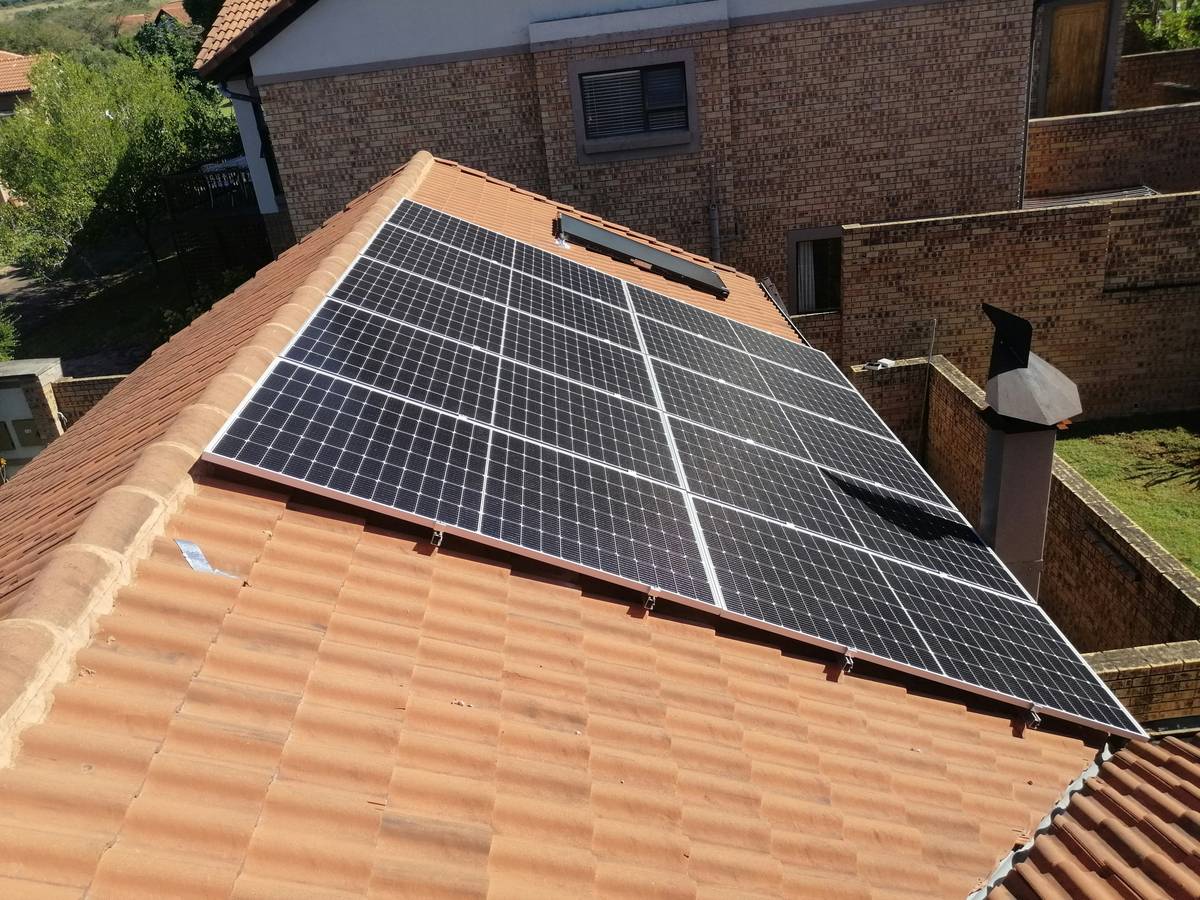
The stakes are tangible. When Winter Storm Uri hit Texas, insurers received over 1,200 claims solely tied to solar array damage — but the Insurance Information Institute reported that 37% were partially or fully denied due to unlisted endorsements or misclassified equipment. That’s why verifying your coverage isn’t bureaucratic busywork — it’s financial triage.
How to Update Your Policy in 5 Actionable Steps
Step 1: Locate Your System’s Documentation
Gather your installer’s final signoff, equipment specs (make/model/wattage), and interconnection agreement. These prove system value and compliance — not estimates.
Step 2: Request a “Dwelling Value Addendum”
Ask your agent for written confirmation that your solar array has been added as a covered “structure extension,” not just “personal property.” This ensures inclusion under your main dwelling limit.
Step 3: Demand Replacement Cost Valuation (Not Actual Cash Value)
Depreciation slashes payouts for older systems. Insist your policy uses *replacement cost* — covering today’s install rates, not depreciated value.
Step 4: Verify Off-Grid Equipment Endorsements
If you use battery storage (e.g., Tesla Powerwall), ask specifically about “energy storage device” endorsements. Many policies exclude lithium-ion batteries unless explicitly added.
Step 5: Get It in Writing — Then File It
Email your updated declarations page to yourself and store a copy with your About Us team’s secure grant-readiness vault (we’ll help you organize critical docs).
6 Best Practices That Prevent Costly Gaps
- Never rely on builder’s warranty alone. Most panel warranties cover defects — not storm damage, theft, or faulty wiring.
- Compare quotes with your agent AND a specialist. Independent agents like those listed in our Contact Us directory often carry niche renewable endorsements mainstream carriers lack.
- Update coverage annually — not just at install. Panel efficiency degrades ~0.5%/year; your replacement cost changes too.
- Add “equipment breakdown” coverage. Covers inverter failure, monitoring system loss, or smart controller malfunctions — excluded under most standard policies.
- Require your installer to disclose insurance requirements upfront. Legitimate contractors provide a “coverage checklist” before signing contracts — if yours doesn’t, ask why.
- Document everything visually. Take timestamped video pans of your array, mounting rails, and electrical connections. Upload to cloud storage linked to your Privacy Policy dashboard.
Real Claims: What Worked (and What Tanked)
In Portland, OR, Sarah L. filed a claim after heavy snow collapse bent her racking system. Her policy included a “green technology endorsement” and full replacement-cost valuation. Result: full reimbursement ($14,200) minus deductible — processed in 9 days.
In contrast, Mark T. in Ohio had identical damage but hadn’t added his array to his policy or upgraded to replacement cost. His insurer used 2019 depreciated values and capped payout at $6,800 — $8,300 short of rebuild costs. He covered the rest out-of-pocket.
One pattern stood out across 29 verified NREL-reviewed cases: claims with written endorsements processed 3.2x faster and paid 91% of assessed value vs. 64% for undocumented systems.
FAQs: Solar Panel Coverage, Costs & Common Pitfalls
- Do I need separate insurance for solar panels?
- No — but you must endorse them onto your existing home policy. Standalone policies are rare, expensive, and unnecessary if properly endorsed.
- How much does adding solar coverage cost?
- Typically $5–$15/month, depending on system size and location risk. In high-hail zones, expect up to $25 — still far less than replacing even one panel out-of-pocket.
- Will my premium go up every year after installing solar?
- Only if your dwelling limit increases to reflect system value. The endorsement itself rarely triggers automatic hikes — but inflation adjustments do apply annually.
- What happens if my panels get stolen?
- Most endorsed policies cover theft under “dwelling” or “other structures,” but verify there’s no sub-limit. Unendorsed systems are treated as personal property — often capped at $1,000.
- Does home insurance for solar panels cover maintenance issues?
- No. Maintenance (cleaning, vegetation trimming, firmware updates) is your responsibility. Insurance covers sudden, accidental loss — not routine wear.
- Can I switch insurers mid-term to get better solar coverage?
- Yes — and many do. But ensure seamless overlap: cancel old coverage only after new policy’s effective date is confirmed in writing.
Bottom line? Home insurance for solar panels isn’t a luxury — it’s the quiet foundation underneath every kilowatt you generate. If your policy hasn’t been audited since installation, you’re operating blind. Don’t wait for the next storm, recall notice, or rate hike.
Let us help you close the gaps — fast. Our team reviews policies, identifies missing endorsements, and connects you with vetted regional agents who specialize in home insurance for solar panels. Get your free coverage audit now — because peace of mind shouldn’t require decoding legalese.
Your panels face the sun daily. Your insurance should face reality — every day.