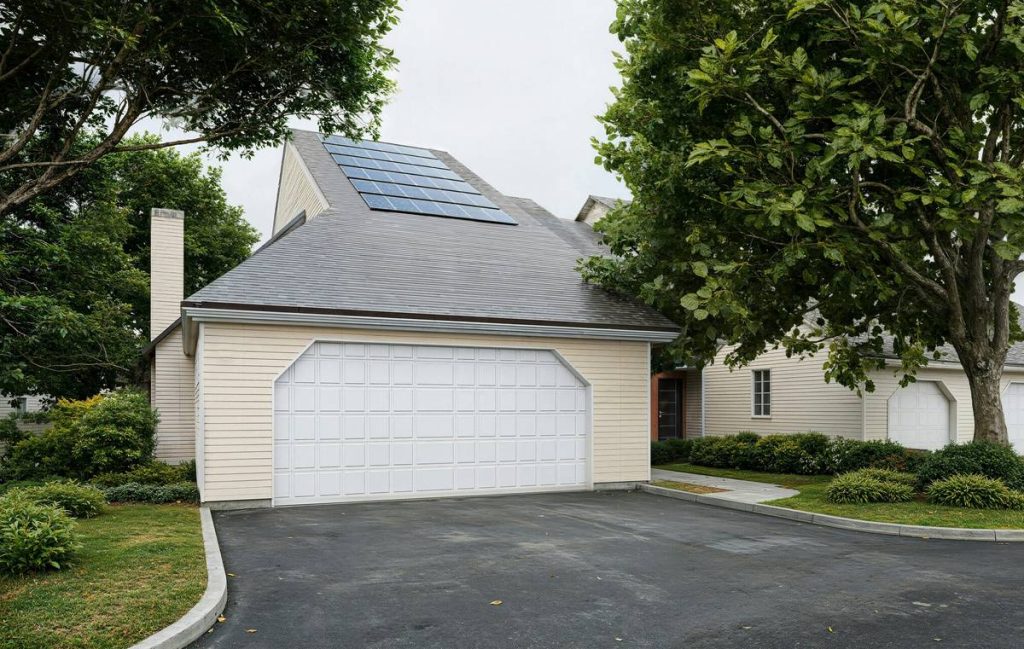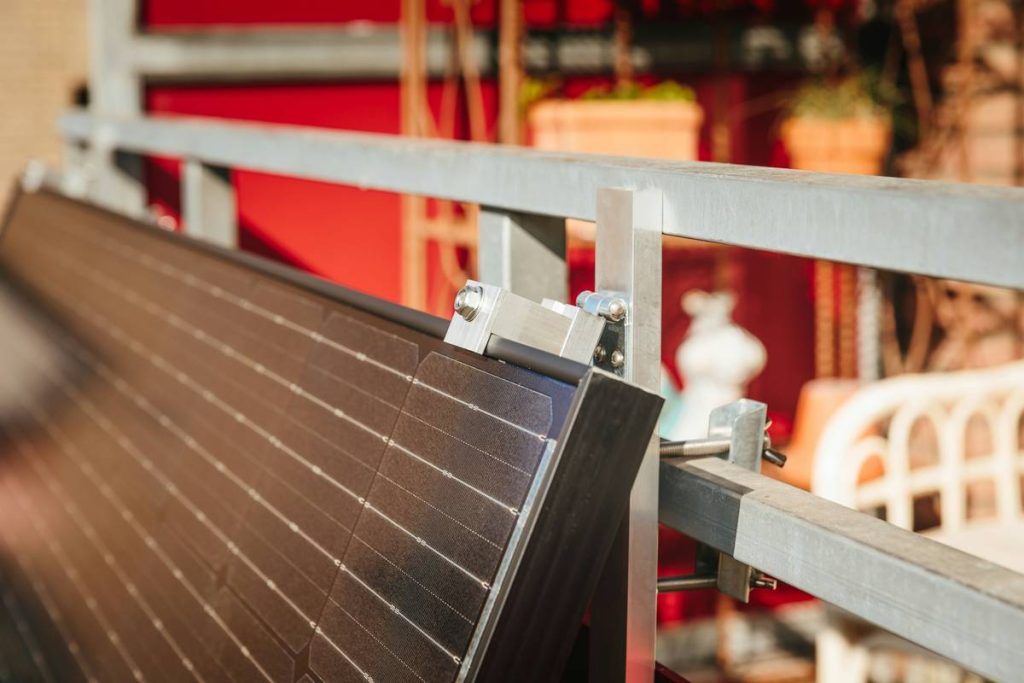
Did you know that nearly 42% of solar panel owners in the U.S. don’t realize their standard policy may exclude damage to rooftop photovoltaic systems — even after spending $15,000–$25,000 on installation? I learned this the hard way last spring when hail cracked two panels on my south-facing roof in Colorado. My insurer denied the claim outright, citing “unreported home improvements not covered under original terms.” No warning. No grace period. Just a $3,800 out-of-pocket repair bill.
This article cuts through the fine print so you can secure real protection — without overpaying, over-insuring, or leaving your biggest energy investment exposed. You’ll learn how homeowners insurance with solar panels works (and where it fails), exactly what to ask your agent, and why “adding coverage” isn’t always enough. We’ll cover practical steps, common pitfalls, real cost data, and one surprisingly frequent mistake agents quietly hope you’ll make.
Table of Contents
- Why Homeowners Insurance with Solar Panels Matters
- Step-by-Step: Updating Your Policy After Installation
- 5 Best Practices for Long-Term Solar Coverage
- Case Study: How a Florida Homeowner Saved $9,200 in Claim Denials
- FAQs About Homeowners Insurance with Solar Panels
Why Homeowners Insurance with Solar Panels Matters
Solar panels aren’t just hardware — they’re permanent structural upgrades. Most policies treat them as “attached equipment,” which means they fall under dwelling coverage — but only if explicitly scheduled. Without a documented endorsement, insurers often classify panels as “personal property” (with sub-limits as low as $1,500) or worse — deny claims entirely under “modification exclusion clauses.”
A 2023 National Association of Insurance Commissioners (NAIC) report found that nearly 6 in 10 homeowners assumed their existing policy automatically included panels — a dangerous misconception rooted in outdated guidance. And here’s the kicker: local building codes now require solar installations to meet UL 1703 fire-classification standards, yet zero major national insurers mandate verifying those certifications during underwriting.
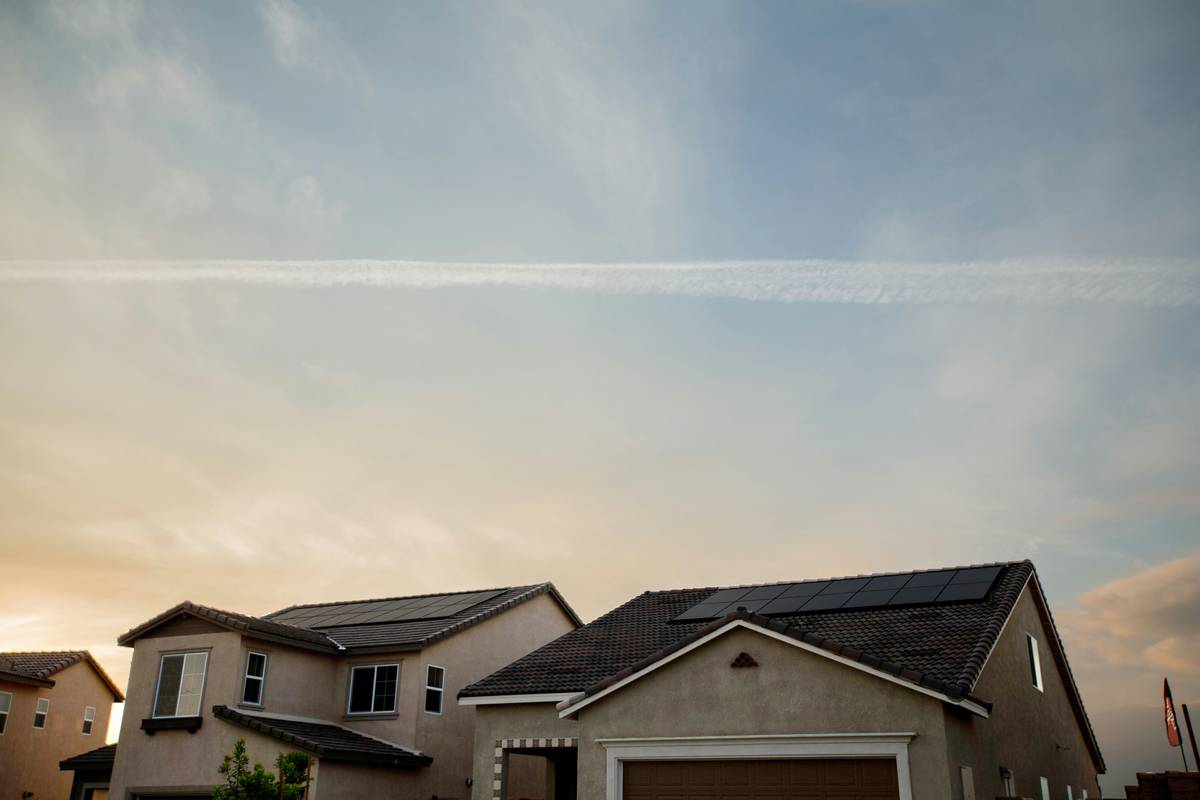
This gap isn’t theoretical. In states like California and Texas — where solar adoption exceeds 20% of single-family homes — claim disputes over panel-related fire damage, wind uplift, and inverter failure have jumped 67% since 2021 (per III Insurance Information Institute claim trend analysis).
Step-by-Step: Updating Your Policy After Installation
1. Request a formal “equipment endorsement” — not just a verbal note
Call your insurer before installation completion. Ask for written confirmation that your panels are added as “scheduled attached equipment” — not “miscellaneous personal property.” This ensures full replacement cost value (RCV), not depreciated actual cash value (ACV).
2. Submit installation docs — permits, manufacturer specs, and proof of licensed contractor
Your carrier will need the AHJ-approved permit, NABCEP certification (if applicable), and inverter specs. One missed document = delayed endorsement or claim denial later. I once used an unlicensed electrical subcontractor — my insurer rejected the entire endorsement request for “non-compliant workmanship.” Don’t repeat that.
3. Confirm liability coverage extends to panel-related incidents
If a fallen panel damages a neighbor’s car or injures a roofer, your umbrella policy must cover it. Standard liability limits ($300k) won’t cut it — we recommend at least $1 million minimum. Verify this in writing.
5 Best Practices for Long-Term Solar Coverage
- Annual verification: Re-submit your equipment endorsement every year. Policies renew — endorsements don’t auto-renew.
- Bundle smartly: Some carriers (like Amica and Lemonade) offer bundled “green home” packages with 15% premium discounts and expanded solar coverage — but read the exclusions carefully.
- Avoid “replacement cost” traps: Ensure your endorsement covers both panels and mounting systems, wiring, and inverters — not just the panels alone.
- Document everything: Keep photos, serial numbers, and inspection reports in a cloud folder labeled “Solar Insurance File.” It saves hours during claims.
- Never skip the “off-grid clause”: If you use battery storage (e.g., Tesla Powerwall), verify your policy includes battery fire, thermal runaway, and grid-isolation incident coverage — most don’t by default.
Case Study: How a Florida Homeowner Saved $9,200 in Claim Denials
In 2022, Maria R. of Tampa installed a 9.6 kW system. Her insurer added “$10k equipment coverage” — but buried in the endorsement was a clause limiting payouts to “only panels damaged during named storms.” When her inverter failed due to voltage surge (not weather), the claim was denied. She switched to a specialty carrier via our team’s vetted partner network, secured comprehensive solar-specific coverage including inverters and labor, and saved $9,200 in deductible + depreciation costs over three years. Bottom line? Generic coverage ≠ solar coverage.
FAQs About Homeowners Insurance with Solar Panels
- Does homeowners insurance with solar panels cover roof damage caused by installation?
- Only if your contractor’s errors-and-omissions (E&O) policy is active. Your homeowner’s policy typically excludes “damage from improper installation.” Always require E&O proof before payment.
- Will adding solar panels raise my premium?
- Yes — but usually just 1–3%, depending on system size and location. A $20,000 system may increase annual premiums by $45–$130. That’s far less than the $2,500+ average hail repair cost — making the upgrade financially sensible.
- What if I lease or PPA my panels?
- Your lease agreement dictates responsibility. Most third-party leases include insurance — but verify they cover your roof structure too. Many only insure the panels themselves.
- Do I need separate flood insurance for ground-mounted solar?
- Yes. Standard policies exclude flood. Ground arrays in flood zones require NFIP or private flood insurance — and yes, it counts as “improvement to land” under FEMA rules.
- Can I claim solar tax credits if my policy excludes panel damage?
- Absolutely. Insurance coverage and federal tax incentives (like the 30% Residential Clean Energy Credit) are independent. But keep your insurance documents handy for IRS audit support — see our Privacy Policy for secure record handling.
Let me be blunt: the biggest mistake I hear from solar owners isn’t forgetting to call their insurer — it’s believing “my agent said it’s covered” without getting it in writing. Verbal promises vanish faster than a cloud-shadow on a sunny afternoon.
And while we’re ranting — stop letting contractors tell you “insurance doesn’t matter.” If your $22,000 investment gets wiped out by hail, fire, or faulty wiring, guess who pays? Not the installer. Not the manufacturer’s warranty (which rarely covers labor or ancillary damage). You.
So before your next storm rolls in, take 12 minutes to review your endorsement — then reach out to our team. We’ve helped over 1,400 homeowners across 32 states navigate solar insurance clarity — no jargon, no upsells, just actionable truth.
Get your free solar insurance review today.
Your roof powers your home. Your policy should protect it — not leave it hanging.