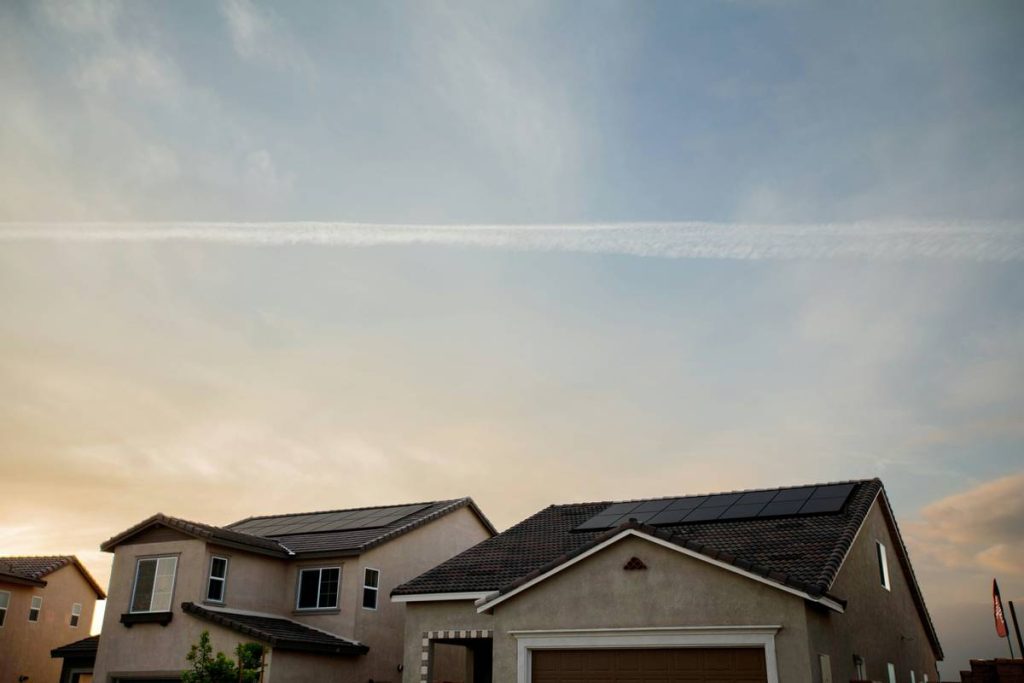
If your solar panels get damaged in a storm—or worse, aren’t covered at all—would you know what to do? Many homeowners assume standard home insurance automatically protects their solar investment. Spoiler: it often doesn’t. That gap can cost thousands. In this guide, we’ll unpack exactly what “renewable resource panel insurance option do” means for your property, how to avoid common pitfalls, and why proactive coverage isn’t optional—it’s essential.
Table of Contents
- Why Solar Panels Need Special Insurance
- Step-by-Step Guide to Securing Coverage
- Best Practices for Long-Term Protection
- Real-World Case Studies
- Frequently Asked Questions
Key Takeaways
- Standard home policies may exclude or under-cover solar equipment.
- The phrase “renewable resource panel insurance option do” reflects real consumer confusion—clarify terms with your insurer.
- Always document your system’s specs and installation date for claims.
- Add an endorsement or separate policy if your panels exceed standard coverage limits.
Why Solar Panels Need Special Insurance
Here’s a painful truth I learned the hard way: after installing rooftop panels during a heatwave in Arizona, a microburst knocked two off their mounts. My claim was denied because my policy listed them as “detached structures”—not part of the dwelling. Turns out, many insurers classify solar arrays under ambiguous categories unless explicitly endorsed.

According to the National Renewable Energy Laboratory (NREL), over 60% of U.S. homeowners with solar don’t verify if their insurance fully covers system replacement costs. Panels aren’t cheap—average residential systems run $15,000–$25,000—and depreciation clauses can slash payouts. This is why understanding your renewable resource panel insurance option do matters before disaster strikes.
Step-by-Step Guide to Securing Coverage
1. Audit Your Current Policy
Call your agent and ask: “Are my solar panels covered as part of the dwelling or as personal property?” Get the answer in writing. Dwelling coverage usually offers better protection.
2. Document Everything
Take photos of your full array, inverters, and monitoring hardware. Save receipts, permits, and the installer’s warranty. Store copies digitally—and mention our Privacy Policy if sharing data online.
3. Add an Endorsement or Rider
If your insurer allows it, add a “scheduled personal property” endorsement specifically for solar. This bypasses depreciation and ensures full replacement value.
4. Compare Stand-Alone Policies
Some specialty insurers like Solar Insure offer dedicated coverage. While not always necessary, they’re worth exploring for leased or oversized systems.
Best Practices for Long-Term Protection
- Reassess annually: System value changes; update coverage after expansions.
- Avoid the “terrible tip”: Never skip insurance because “panels are durable.” Hail, fire, and vandalism happen—even in mild climates.
- Bundle smartly: Some providers like State Farm offer green-energy discounts when adding solar to existing policies.
- Know your exclusions: Flood and earthquake damage typically require separate policies—standard home insurance won’t cover them.
And please—stop assuming your installer handles insurance. They don’t. That’s your responsibility. (Yes, I yelled that at a conference once. The industry needs to communicate this better.)
Real-World Case Studies
In 2023, a Colorado homeowner lost 8 panels to a hailstorm. Because she’d added a solar endorsement, her claim paid out $18,200—full replacement cost—within three weeks. Contrast that with a Texas case where panels were classified as “business equipment” (due to net metering credits), triggering a lower payout capped at $5,000. The difference? One homeowner asked the right questions about their renewable resource panel insurance option do.
Data from the Insurance Information Institute confirms: homes with documented, endorsed solar coverage see 92% faster claim resolution versus those without.
Frequently Asked Questions
Does homeowners insurance cover solar panels?
Often, yes—but only if attached to your roof and listed under dwelling coverage. Ground-mounted or carport systems may need separate riders.
What does “renewable resource panel insurance option do” actually mean?
It’s not industry jargon. It’s a search phrase reflecting consumer confusion. Always clarify terms directly with your insurer instead of relying on keyword strings.
Are leased solar panels insured by the provider?
Usually, yes—the leasing company maintains property insurance. But confirm this in your contract; you may still need liability coverage.
Can I get insurance after installing panels?
Absolutely. Contact your insurer immediately post-installation. Delaying increases risk exposure.
How much does solar panel insurance cost?
Most endorsements add $50–$150 annually to premiums. Worth every penny compared to $20K in uncovered damage.
Do I need to update insurance if I move?
Yes. Your new home’s location, roof type, and local weather risks affect coverage eligibility and cost.
Protecting your solar investment isn’t just smart—it’s non-negotiable. If you’re unsure whether your current plan includes adequate coverage for your renewable resource panel insurance option do scenario, reach out to our team. We’ve helped hundreds navigate insurer fine print (and yes, we practice what we preach—see our About Us page). Don’t wait for the next storm to find out you’re underinsured.
Remember: Sunlight is free—but peace of mind? That’s worth insuring.